By Nicole Winfield
Lucky 7 is a simple card-based game built around predicting whether the next card will fall below 7, above 7, or land exactly on 7. Because the rules are easy to understand, many players look for Lucky 7 game tricks that might improve their results. In reality, there is no reliable way to predict the next card, but understanding the rules, probabilities, payouts, and common mistakes can help players make more informed decisions. The same applies when playing a lucky 7 online game. The digital version may show past results, betting timers, side bets, or live-dealer video. However, these features cannot predict future cards. It is better to understand how each bet works and avoid systems that claim a certain result is “due.” This guide explains the main Lucky 7 rules, useful betting tips, common strategies, and popular tricks that do not change the real odds of the game.
What Is the Lucky 7 Game?
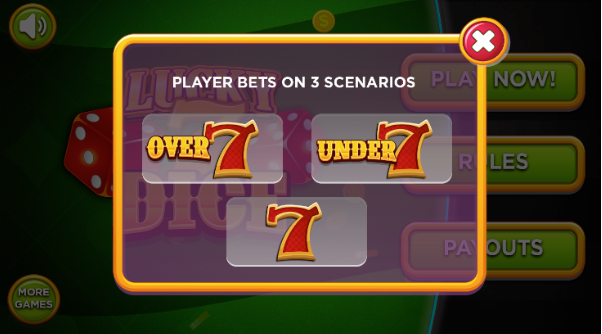
Lucky 7 is a simple card prediction game where one card decides each round. Players choose an outcome before the card is revealed. The main options are usually 7 Down, 7, and 7 Up. Cards from Ace to 6 count as 7 Down, while cards from 8 to King count as 7 Up. A seven is a separate result. Some versions also offer extra bets on card color, odd or even values, or other features. Payouts and side bets can vary between versions, so it is best to check the in-game rules before betting.
How a Lucky 7 Round Works
A typical Lucky 7 round begins with a short betting period. Players select one or more available outcomes and choose their stake before the timer ends. Once betting closes, a card is dealt or revealed. The card determines which bets win. A card from Ace through 6 normally produces a 7 Down result, while a card from 8 through King produces a 7 Up result. A seven is handled separately. After the winning bets are settled, the next betting round begins.
Lucky 7 Rules You Need to Know First
Understanding the rules is more important than trying to identify patterns. A strategy based on incorrect assumptions about the game can quickly lead to unnecessary risk.
7 Up and 7 Down
The 7 Down group usually includes Ace, 2, 3, 4, 5, and 6. The 7 Up group includes 8, 9, 10, Jack, Queen, and King. Each side has six card ranks, so both have the same basic chance when standard decks are used. A seven does not belong to either group. It is usually handled by separate game rules.
What Happens When a 7 Appears?
A seven is important because it affects both the direct 7 bet and the main Up or Down bets. In some Lucky 7 games, part of an Up or Down bet may be returned when a seven appears. Other versions may use different rules, so the exact settlement depends on the provider. A direct bet on 7 usually has a higher payout because sevens appear less often than cards in the Up or Down groups. However, a higher payout does not mean a better chance of winning. It simply reflects the lower probability of getting a seven.
Side Bets
Some Lucky 7 versions also offer extra bets. These may be based on card color or whether the card value is odd or even. Each side bet can have different odds and payouts. A simple-looking bet may also have a different return than the main 7 Up or 7 Down bet. For this reason, each bet should be checked separately.
Do Lucky 7 Game Tricks Really Work?
Some Lucky 7 versions also offer extra bets. These may be based on card color or whether the card value is odd or even. Each side bet can have different odds and payouts. A simple-looking bet may also have a different return than the main 7 Up or 7 Down bet. For this reason, each bet should be checked separately.
There Is No Trick for Predicting the Next Card
Previous cards do not tell you what the next card will be. For example, five 7 Up results in a row do not make 7 Down more likely. This idea is called the gambler’s fallacy. If each round is independent, the next result is not affected by earlier rounds. Another 7 Up result can still happen. The same is true for the number 7. If it has not appeared for many rounds, that does not mean it is due to appear soon.
Useful Tricks vs Fake Tricks
Useful Lucky 7 tricks come from understanding the game. Players can check the odds, learn the payout rules, and set a fixed budget. These steps can help keep decisions more controlled. Following streaks or doubling the bet after every loss does not improve the odds. Waiting for a “due” seven does not work either. These methods rely on past results, but past results do not change the probability of the next round.
Lucky 7 Game Trick #1: Understand the Probability of Each Outcome
Probability is one of the most useful concepts in Lucky 7. It does not tell you what the next card will be. Instead, it explains how frequently different outcomes should occur over a very large number of rounds.
Probability of 7 Up
There are six ranks above seven: 8, 9, 10, Jack, Queen, and King. In a standard deck, each rank has the same number of cards. This means the Up group contains six of the thirteen possible ranks.
Probability of 7 Down
There are also six ranks below seven: Ace, 2, 3, 4, 5, and 6. This makes the basic Up and Down groups symmetrical. Neither side has an inherent advantage simply because one has appeared more frequently during a short sequence of previous rounds.
Probability of Getting a 7
Only one rank out of thirteen is a seven. This makes an exact 7 result much less frequent than either Up or Down. That is why direct 7 bets usually pay more than the main wagers. The higher reward compensates for the lower probability of the result occurring. However, a large payout alone does not tell you whether the bet offers better mathematical value.
Lucky 7 Game Trick #2: Compare Probability With Payout
One of the most common mistakes in simple casino games is focusing only on the size of the potential payout. A better approach is to compare the payout with the probability of the event.
Why Higher Payouts Mean Higher Risk
Common results usually have smaller payouts, while rare results often offer higher payouts. This is common with exact-result bets. An exact 7 bet may look attractive because the payout is larger, but it also wins less often than 7 Up or 7 Down. A bigger payout does not always mean a better bet.
Understand the House Edge
Fair odds are based on probability. Casino payouts are usually set a little lower than these fair odds. This difference gives the operator a mathematical advantage. Over many rounds, that advantage becomes more noticeable. A player can still win in a short session, but a winning streak does not change the basic math of the game.
Lucky 7 Game Trick #3: Be Careful With Side Bets

Side bets can make Lucky 7 more varied, but they should not automatically be treated as equivalent to the main wagers.
Red or Black
A red or black bet usually depends on the suit of the card. Hearts and diamonds are red, while clubs and spades are black. The exact treatment of special outcomes should still be checked in the game rules. A provider may include settlement conditions that affect the actual return.
Odd or Even
Odd and even bets also appear simple, but their rules can differ. Some games may define how face cards or the number 7 interact with these wagers. A player should therefore check which ranks qualify before assuming the bet is a basic 50/50 prediction.
Why Side Bets Need Separate Analysis
Two bets can look almost the same but have different payout rules. The key is to check which cards win, which cards lose, whether any result gives a partial return, and how much a winning bet pays. This is more useful than simply choosing the option with the highest multiplier.
Lucky 7 Game Trick #4: Avoid Chasing Streaks
Lucky 7 interfaces often display recent outcomes. This history can be interesting, but it can also encourage players to see patterns that do not actually predict future results.
Why Previous Results Can Be Misleading
Imagine that the last five results were all Up. A player may believe that Down must come next because the recent sequence looks unbalanced. Random sequences can naturally contain clusters and streaks. Five identical outcomes in a row do not create a rule requiring the next result to be different. The next card is determined by the game’s actual dealing or randomization process, not by how unusual the recent history appears.
Can Lucky 7 Patterns Predict Results?
Past results describe what has already happened. They do not provide a reliable formula for what will happen next. Systems based on alternating outcomes, repeating patterns, or the number of rounds since the last seven can therefore create the appearance of analysis without providing a real predictive advantage.
Lucky 7 Game Trick #5: Use a Fixed Betting Budget
Bankroll management does not improve the probability of winning a round. What it can do is control how much money is exposed during a session.
Set a Session Limit
Before playing, it is useful to define a maximum amount that can be spent without affecting necessary expenses. A session can also have a predetermined time limit. These limits are generally easier to follow when they are decided before wins and losses begin influencing decisions.
Keep Stakes Consistent
Large stake changes can make results much more volatile from the player’s perspective. Increasing a bet immediately after a loss is particularly risky because several losses in succession can cause the required stake to grow rapidly. Using relatively consistent stakes makes overall spending easier to understand.
Decide When to Stop
A stopping point can be based on reaching the planned spending limit or the planned session duration. It can also make sense to stop if the game is no longer enjoyable or if there is a strong temptation to recover previous losses by increasing the stake. Stopping does not change the mathematical advantage of the game, but it can prevent a predetermined budget from becoming an open-ended amount.
Betting Systems Often Used in Lucky 7
Several betting systems are commonly discussed in connection with simple Up and Down games. They change how stakes are sized, but they do not predict cards.
Flat Betting
Flat betting means using the same stake on each round. This approach is easy to understand and makes spending relatively predictable. A losing streak still produces losses, but the size of the next bet does not automatically increase because of what happened previously. The limitation is simple. Flat betting does not increase the probability of selecting the winning result.
Martingale
Martingale is one of the most commonly discussed betting systems. The basic idea is to increase the stake after every loss. When a win eventually occurs, the player attempts to recover previous losses. The problem is that stakes rise very quickly. A progression can move from 1 unit to 2, then 4, 8, 16, 32, and continue increasing after every additional loss. A longer losing sequence can therefore require a stake far larger than the original wager. Table limits and limited bankrolls also prevent indefinite doubling. Martingale changes the distribution of risk rather than removing the house advantage.
Reverse Martingale
A reverse Martingale increases stakes after wins rather than losses. This reduces the problem of aggressively chasing losses, but it still depends on sequences of results that cannot be predicted. A winning run can increase returns, while a loss can end the progression. It should therefore not be considered a method for changing the odds of the game.
Pattern-Based Betting
Pattern-based systems may tell players to bet Down after several Up results, change sides after every loss, follow the previous winning side, or place a bet on 7 after a certain number of rounds. These methods can create consistent rules for choosing wagers, but none changes how the next card is generated.
Common Lucky 7 Mistakes to Avoid
Many Lucky 7 mistakes come from confusing randomness with predictability. A player may believe that a result is due, increase stakes emotionally after a loss, or select a wager only because it offers a larger payout. Other common mistakes include ignoring the special rules for a seven, assuming every Lucky 7 version has identical payouts, or treating a short winning streak as proof that a system works. Side bets can also be misunderstood. They should not automatically be treated as having the same odds or value as the main wagers. Playing without a predetermined spending limit creates another problem because there is no clear point at which the session should end. Avoiding these mistakes does not guarantee winning results, but it can reduce decisions based on incorrect assumptions.
Lucky 7 Strategy: Main Bets vs Side Bets
The main Lucky 7 wagers and side bets can behave differently. 7 Up and 7 Down generally cover more card ranks than an exact 7 wager, so they occur more frequently and usually offer smaller payouts. An exact 7 occurs less frequently and therefore normally comes with a larger payout. Red or Black and Odd or Even bets depend on the rules used by the specific game. Their payout structures and treatment of special card values can differ between providers. The important point is that payout size should always be interpreted together with the probability of winning.
Is There a Best Lucky 7 Strategy?
There is no Lucky 7 strategy that guarantees profit. The most practical approach is based on understanding the game rather than trying to predict individual cards. That means learning the rules, checking the payout table, understanding the probability of each outcome, and setting clear financial limits. It also means avoiding systems that require increasingly large bets after losses. Previous rounds should be treated as historical information rather than signals about what must happen next. These habits can make decisions more structured, but they cannot turn a random card game into a predictable one.
Lucky 7 Online vs Live-Dealer Versions
Lucky 7 can appear in several formats. An automated version may use computer-generated graphics and rapid rounds. A live version may show a dealer physically revealing cards through a video stream. The presentation can differ significantly, but the important information is found in the rules. Different versions may use different numbers of decks, side bets, payout values, betting limits, round speeds, and settlement rules when a seven appears. The name Lucky 7 is also used for other types of games. Players should therefore check the actual rules rather than relying only on the title.
Can You Practice Lucky 7 Before Playing?
Some platforms may provide Lucky 7 in a demo or practice format. Demo play can be useful for learning where bets are placed, how results are displayed, and how different outcomes are settled. It can also help a player become familiar with the difference between the main bets and side bets. What demo play cannot do is reveal a future winning sequence. A pattern observed during practice does not provide reliable information about future real-money rounds.
Responsible Play and Lucky 7
Lucky 7 is a chance-based game. No betting strategy, pattern system, progression, or supposed trick can guarantee a profit. Anyone choosing to play for money should decide in advance how much they can afford to spend and how long they intend to play. Losses should not be chased by increasing bets or extending a session beyond its original limits. Borrowing money to gamble also increases financial risk and should be avoided. Legal gambling ages and online gambling rules vary by jurisdiction, so local requirements should be checked before participating in real-money games.
Frequently Asked Questions About Lucky 7 Game Tricks
1. What Is the Best Lucky 7 Game Trick?
The most useful Lucky 7 trick is understanding the probabilities and payout rules. This can help avoid decisions based on misleading streaks or supposed prediction systems. It does not guarantee a winning result.
2. Is There a Formula to Win Lucky 7?
No. There is no formula that can reliably predict the next card in a properly operated random game.
3. Is 7 Up or 7 Down Better?
Under standard card distribution, both groups contain six ranks. Neither is automatically better simply because of the cards that appeared in previous rounds. Actual value can still depend on the payout rules used by the specific game.
4. How Often Does a 7 Appear?
Seven represents one of thirteen card ranks in a standard deck. It is therefore less common than either the complete Up group or complete Down group.
5. Can Previous Lucky 7 Results Predict the Next Card?
No. Previous results can show historical patterns, but they do not reliably predict the next independent result.
6. Does Martingale Work in Lucky 7?
Martingale can recover earlier losses if a winning result arrives before betting limits or bankroll limits are reached. However, it does not improve the probability of winning. A sufficiently long losing sequence causes stake requirements to increase rapidly.
7. Are Lucky 7 Side Bets Worth Using?
That depends on their probability and payout structure. Side bets should be evaluated individually rather than assumed to offer the same mathematical value as the main bets.
8. What Happens to 7 Up and 7 Down Bets When a 7 Appears?
The settlement depends on the specific Lucky 7 rules. Some versions may return part of the stake, while others can use different conditions. The game’s payout table should always be checked.
9. Is Lucky 7 Based on Skill or Luck?
The result of each round is based mainly on chance. Players choose which outcome to wager on, but they cannot control which card is revealed.
10. Can Lucky 7 Be Played in Demo Mode?
Some versions may offer demo play. It can be useful for learning the rules and interface, but demo results cannot be used to predict future outcomes.
Conclusion
Lucky 7 game tricks are most useful when they help players understand the rules, not predict random cards. The main Up and Down bets cover different groups of card ranks. An exact 7 is less common and usually pays more. Side bets add more choices, but each one has its own rules and payouts. A common mistake is using past results to predict the next card. Streaks can happen naturally, and a long run does not mean the opposite result is due. The best approach is to learn the rules, compare chances with payouts, use controlled stakes, avoid chasing losses, and remember that Lucky 7 is still a game of chance.